
Nobody Warns You About Success
An open letter to the people building it.
As an advertiser, I’ve had the privilege of spending my career inside other people’s businesses. My office might be in Hayden, Idaho, but most days I’m somewhere else entirely—walking job sites, sitting in boardrooms, riding in work trucks, touring manufacturing facilities, visiting medical offices, and listening to business owners talk about where they’ve been and where they’re hopeing to go. I’ve worked alongside builders, electricians, excavators, manufacturers, physicians, nonprofits, painters, moving companies, and entrepreneurs of every kind. Every company is different, yet after years of doing this, I’ve realized they almost all share the same story.
In the beginning, they wanted one thing.
Work.
They wanted the phone to ring. They wanted customers. They wanted projects on the schedule. They wanted enough income to cover payroll, provide for their families, and justify the risk they took when they decided to go into business for themselves. They remember those early days vividly. Wondering if the next customer would call. Wondering whether they had made the right decision. Wondering how they were going to survive another month.
Many of them prayed for the opportunity to become busy.
Eventually, those prayers were answered.
The calendar filled. The phone rang. Referrals started coming in. More trucks were purchased. More employees were hired. New offices were opened. On paper, they had become successful.
But something unexpected happened.
The stress never disappeared.
It simply changed addresses.
Instead of wondering where the next customer would come from, they began wondering how they were going to keep up with the customers they already had. Instead of searching for work, they searched for qualified employees. Instead of managing one project, they found themselves balancing ten. Before they even poured their first cup of coffee or kissed their spouse goodbye, they were already responding to overnight emails, text messages, schedule changes, supplier delays, equipment failures, employee questions, customer concerns, and problems that hadn’t even fully developed yet.
Success solved one problem.
Then quietly introduced another.

Somewhere along the way, our culture began equating busyness with success. We admire packed calendars. We celebrate eighty-hour work weeks. We glorify exhaustion as though constantly running somehow validates that we’re winning.
But after walking alongside hundreds of business owners, I’ve learned something.
Busy doesn’t always create peace.
Sometimes it steals it.
I’ve watched incredible men and women build companies they once only dreamed about while slowly sacrificing the very life they started those companies to create. Many of them could remember a season when they would’ve traded almost anything just to have this much work.
Today, many of them would trade almost anything for one quiet morning.
One breakfast with their kids.
One uninterrupted conversation with their spouse.
One evening where the laptop stayed closed.
One weekend where they weren’t mentally at work while physically sitting at home.
And maybe that’s why so much of the modern world feels temporary.
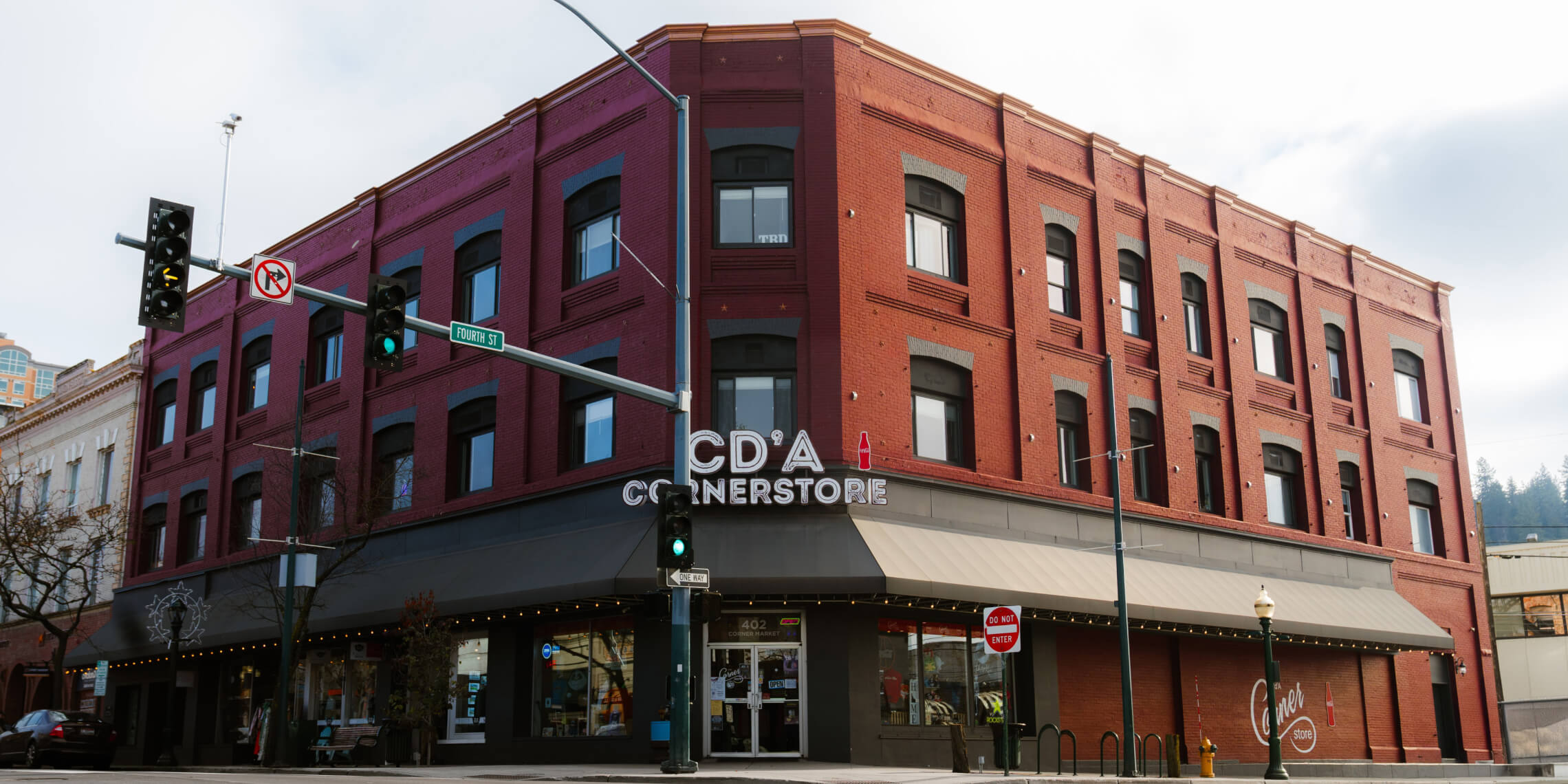
Walk through an older neighborhood, a century-old courthouse, or a historic downtown, and you’ll notice something almost immediately. The details. Hand-cut trim. Ornate stonework. Intricate woodwork. Buildings that weren’t simply constructed—they were crafted. Every corner feels like someone spent just a little more time than they needed to because the work itself mattered.
Today, we’re moving so fast that craftsmanship has quietly become a luxury.
Across nearly every profession, the pressure is the same: produce more, finish faster, move to the next project.
The result isn’t always poor work.
It’s rushed work.
Some of the builders I work with have recognized this. Ironically, their goal isn’t to build more homes. It’s to build fewer homes exceptionally well. They don’t want twenty projects. They want the same income with half the projects because fewer projects allow for more attention, better communication, finer craftsmanship, and a better experience for the homeowner. They understand something that’s becoming increasingly rare: quality compounds.
Reputation compounds.
Trust compounds.
Craftsmanship compounds.
That philosophy doesn’t stop with construction.
It applies to a teacher who learns every student’s name instead of simply finishing the lesson plan.
It applies to a physician who sits for one extra minute to answer a frightened patient’s question.
It applies to the hotel employee who notices a guest before they’re asked for help.
It applies to the customer service representative who genuinely listens instead of rushing to the next call.
It applies to a designer who obsesses over a detail no one else will consciously notice.
It applies to an advertiser who spends more time understanding a business than simply producing another campaign.
Craftsmanship isn’t limited to wood, steel, photography, architecture, or design.
Craftsmanship is an attitude.
It’s choosing excellence when speed would be easier.
It’s caring when no one is forcing you to.
It’s leaving your fingerprints on something because your name is attached to it.
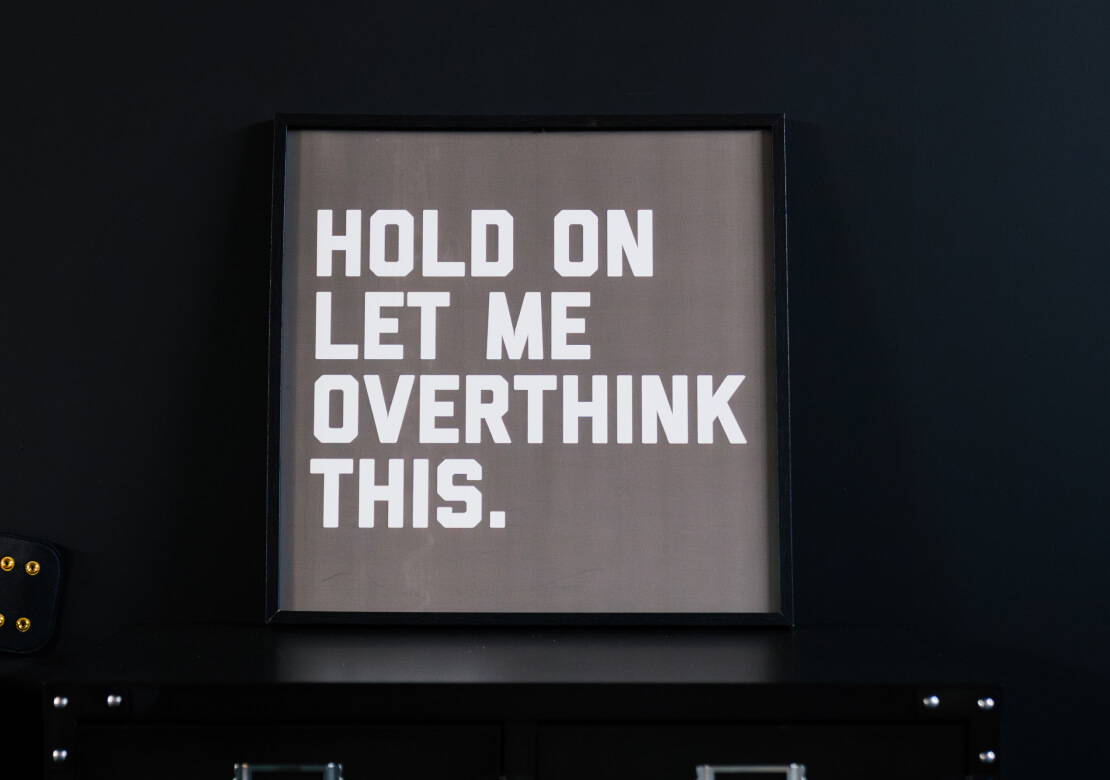

When busyness becomes our identity, excellence slowly gives way to efficiency. Details become optional. Conversations become shorter. Relationships become transactional. We still complete the work, but the work no longer reflects the pride of the people who created it.
Maybe the greatest luxury in modern business isn’t another dollar.
Maybe it’s enough margin to care deeply about what you’re making.
I’m not writing this to tell anyone to slow down or stop working hard. Hard work built every company I’ve ever admired. Ambition is good. Responsibility matters. Growth is worth pursuing.
But I do think we owe ourselves one question.
What does enough actually look like?
Not enough money.
Not enough employees.
Not enough projects.
Enough life.
Enough margin.
Enough evenings around the dinner table.
Enough mornings that begin with peace instead of panic.
Enough presence to remember why we started building in the first place.

Because if we never define what “enough” means, the marketplace will gladly define it for us. There will always be another project to bid, another customer to serve, another milestone to chase, another opportunity waiting just beyond the one you just finished.
Business has no finish line.
Life does.
To every business owner, entrepreneur, foreman, project manager, executive, teacher, healthcare worker, craftsman, and leader carrying more weight than most people will ever see, consider this a reminder from someone who’s had the privilege of watching your journey from the inside.
The work you’re doing matters.
The businesses you’re building matter.
The people you’re serving matter.
But so do you.
May your business continue to grow. May your reputation continue to strengthen. May your work become more meaningful with every passing year.
But above all, may your success create more margin instead of more chaos. May it give you the freedom to care more deeply, build more intentionally, and live more fully than the version of yourself who first dreamed of starting a business.
Because busy was never the goal.
A meaningful life was.
Ready to Elevate Your Brand? Let's Talk.
Read Also

The Bahlr Partnership
Hi, I’m Corey.
I own an advertising agency. It happens to be called Bahlr, but honestly, that doesn’t really matter.

The Highly Successful Advertising Campaign I Watched Get Shut Off
What one local case study taught me about the psychology of advertising.

How advertisers advertise
There is something deeply ironic happening in the advertising industry right now. The very people responsible for helping businesses communicate value…